P. Chris Pistorius
Interim Department Head and POSCO Professor, Materials Science and Engineering
Co-Director, Center for Iron and Steelmaking Research

Interim Department Head and POSCO Professor, Materials Science and Engineering
Co-Director, Center for Iron and Steelmaking Research
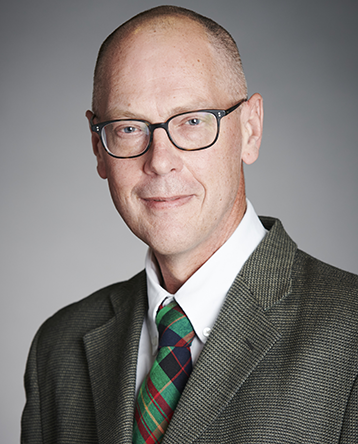
P. Chris Pistorius is a metallurgical engineer whose research focuses on production of metals and alloys, mainly steel, and corrosion. A native South African, he received bachelor’s and master’s degrees in metallurgical engineering from the University of Pretoria, and completed a Ph.D. in corrosion at the University of Cambridge. He was an associate professor and then professor in the Department of Materials Science and Metallurgical Engineering, University of Pretoria, South Africa, from 1991 to 2008. He served as head of that department from May 2002 to June 2008. He has been professor of Materials Science and Engineering at Carnegie Mellon since July 2008, working closely with Richard Fruehan and then Bryan Webler in the Center for Iron and Steelmaking Research.
His awards and honors include:
1991 Ph.D., Corrosion, University of Cambridge
1989 Master of Engineering, Metallurgical Engineering, University of Pretoria
1988 Bachelor of Engineering, Metallurgical Engineering, University of Pretoria
CMU Engineering
Faculty and students alike saw the value in observing firsthand how iron and steel production methods reflect the unique resources and capabilities in Southern Africa, a natural complement to coursework in materials science, engineering, and public policy.
Engineering and Public Policy
Distinguished Engineering and Public Policy professors receive College of Engineering awards.
The 2026 Engineering faculty award winners have been selected by the Engineering Faculty Awards and Recognition Committee for their exceptional achievements in academics and research. Award winners include Katherine Flanigan, Tzahi Cohen-Karni, Peter Adams, Noelia Grande Gutiérrez, Patrick Tague, Valerie Karplus, Chris Pistorius, Kaushik Dayal, Kathryn Whitehead, and Keith Cook.
The Business of Materials
MSE’s Chris Pistorius appeared on the 12th episode of The Business of Materials podcast, revealing how sustainable iron and steel production is evolving and the practical change driven by research breakthroughs.
CISR
CMU faculty and student researchers presented at 13 technical sessions and participated in two panel discussions during the annual AISTech meeting.
Canary Media
MSE's Chris Pistorius suggested in Canary Media that the energy-intensive iron-production phase of steelmaking could reasonably shift overseas.
Wilton E. Scott Institute for Energy Innovation
This year, a total of seven projects received seed funding, with another three proposals receiving support through the hardware and software tool upgrade program.
Materials Science and Engineering
A recent study analyzed the variations in operations across the global blast furnace fleet and its impact on carbon dioxide emissions, finding that emissions could have been reduced both globally and nationally if each furnace had operated at either its own historical minimum emissions intensity or the observed national minimum.
Materials Science and Engineering
Recent work from the department of materials science and engineering at Carnegie Mellon investigates the processing challenges associated with tungsten, finding that solidification cracking is an additional failure.
Wilton E. Scott Institute for Energy Innovation
For the third annual workshop, co-chairs Valerie Karplus and Chris Pistorius led sessions that focused on companies’ progress updates, breakthroughs, technology costs, and public policy for decarbonization.
Materials Science and Engineering
Several faculty, students, and alumni of the materials science and engineering (MSE) department at Carnegie Mellon were recognized for their accomplishments and shared their research at this year's AISTech meeting.
Wilton E. Scott Institute for Energy Innovation
decarbSTEEL is a CISR-Scott Institute joint initiative to support decarbonization in the iron and steelmaking industry.